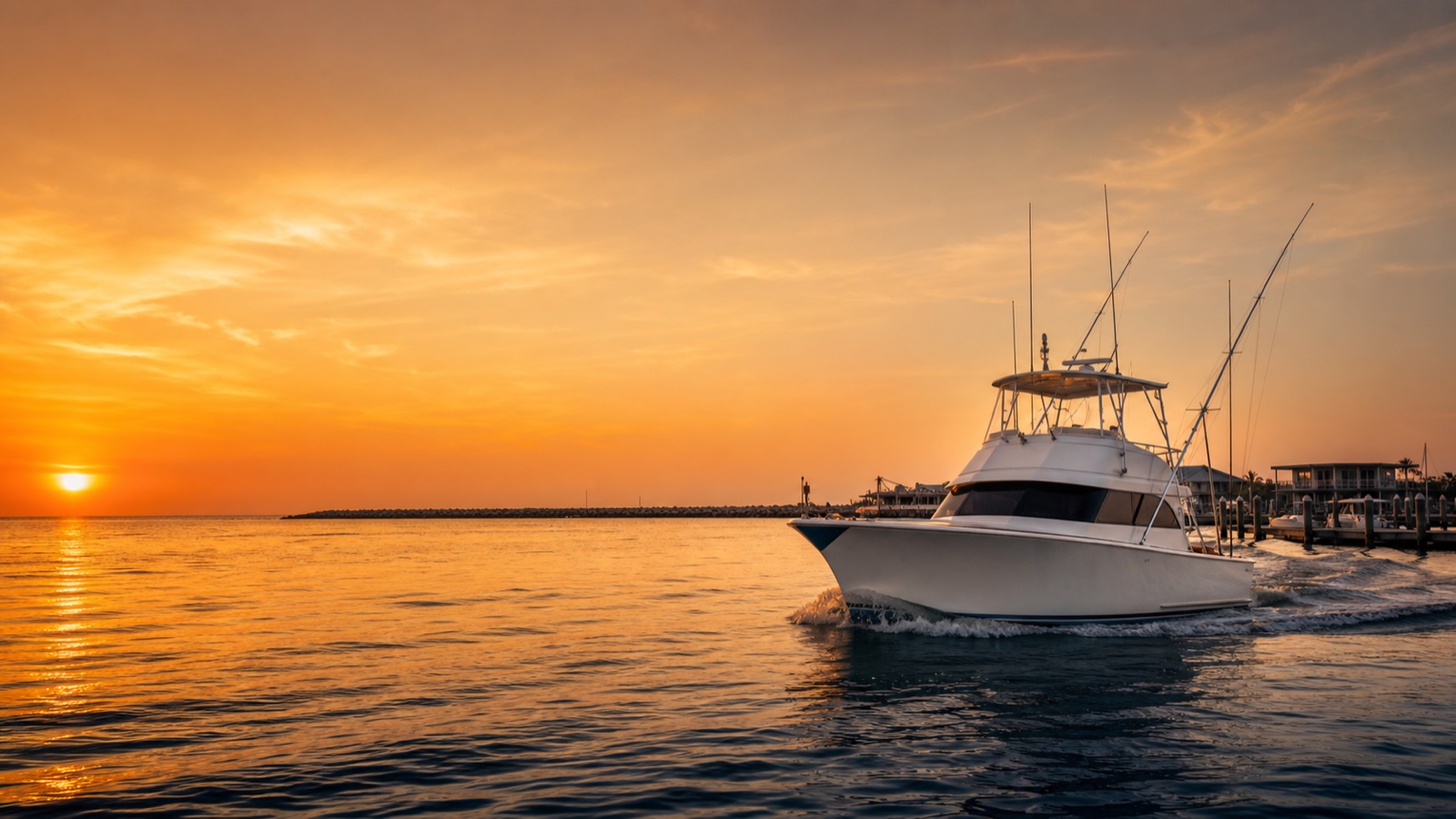
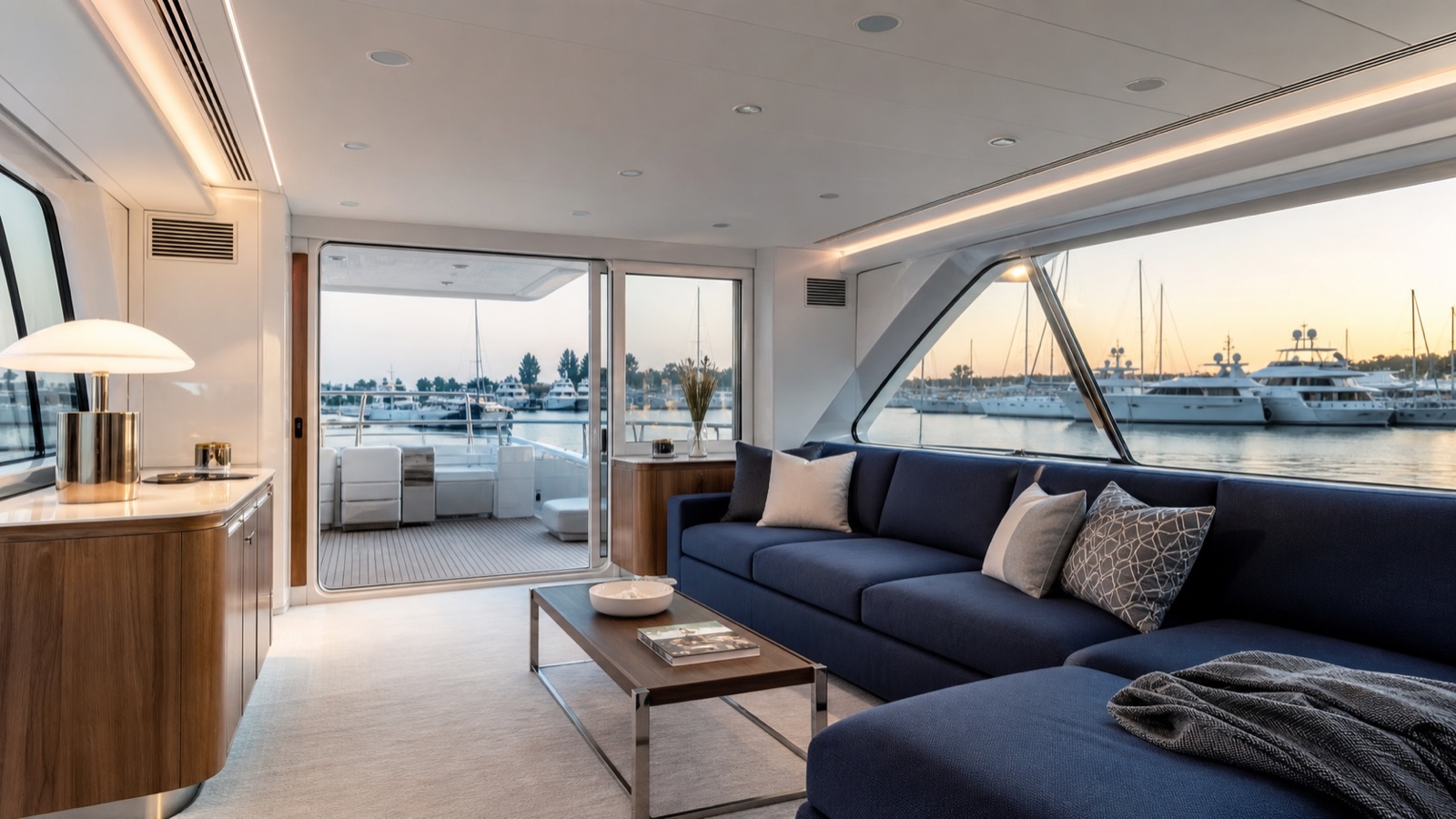
A boat cabin can feel cool and still remain damp. South Florida humidity enters through hatches, doors, ventilation and wet gear, while cooking, showers, bilge moisture and people add moisture aboard.
Marine air conditioning removes moisture while cooling, but run time, airflow, condensate drainage, equipment condition and cabin load all shape the result.
Measure the pattern
Use a reliable humidity monitor and record readings by cabin, time and operating condition. Note whether the vessel is occupied, underway, connected to dock power or recently opened after storage. Compare the affected space with a cabin that feels comfortable.
Control moisture sources aboard
- Dry wet towels, cushions and gear before storing them in closed spaces.
- Document non-HVAC water intrusion and have it addressed by the appropriate specialist.
- Use galley and head ventilation as the vessel system is designed.
- Keep bilge spaces maintained and investigate unexplained water.
- Close exterior openings while marine AC is operating unless ventilation design requires otherwise.
- Keep fan-coil returns and supply grilles clear.
Onboard HVAC conditions to evaluate
Short cycling
A zone that satisfies the temperature setting quickly may not run long enough to remove moisture as intended. Sensor position, airflow, load and capacity all need context before changing equipment.
Airflow and coil condition
Restricted filters, blocked returns, dirty coils, weak blowers or duct problems can change both cooling and moisture removal.
Condensate drainage
Water removed from cabin air must drain correctly. Overflow, standing water or repeated float-switch trips can return moisture and odor to the space.
Ventilation balance
Exhaust and fresh-air systems change pressure aboard. Unplanned air paths can pull humid marine air into cabins faster than the HVAC system can manage it.
Avoid extreme thermostat changes
A very low setpoint can create cold surfaces and condensation without resolving the moisture source. Supplemental dehumidification may suit some vessels, but it must be selected, powered, secured and drained for marine use.
Share cabin readings, affected zones, controller behavior and recent water events through the Knot Hot vessel service request.