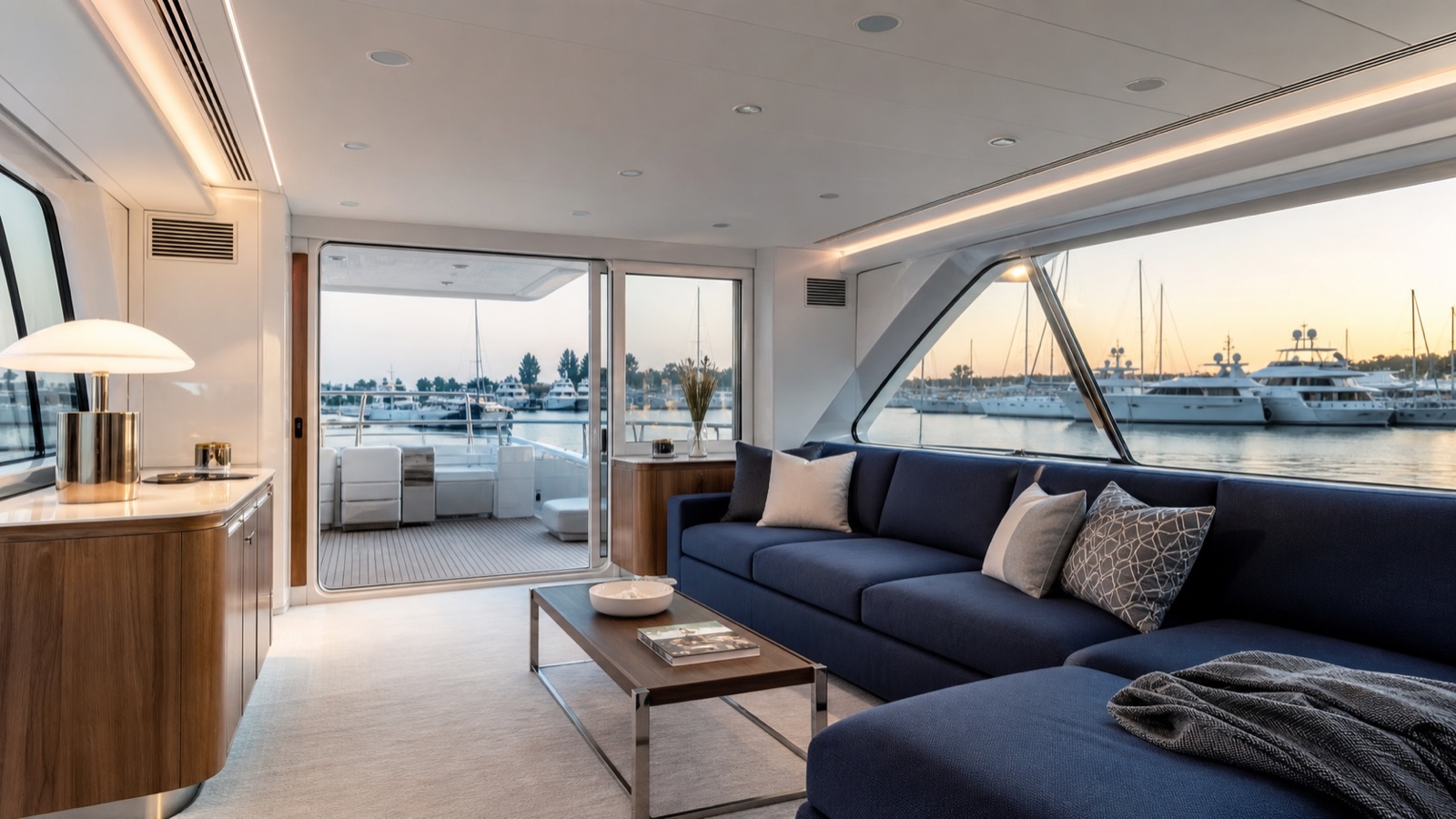
Storm planning should include the vessel's marine air, refrigeration and HVAC systems. Wind, water intrusion, dock-power interruption, voltage irregularities, debris and movement can affect equipment even when it was operating normally before the weather changed.
Follow emergency officials, marina management, the vessel's storm plan, equipment manuals and qualified marine professionals. NOAA maintains a broader hurricane preparedness resource.
Document the system before warnings
- Photograph equipment, data plates, controllers and visible installation condition.
- Save model numbers, serial numbers, service records and fault history.
- Identify which breakers, controllers and air handlers serve each climate system.
- Confirm normal condensate drainage and seawater discharge.
- Address loose mounts, corrosion, water intrusion around equipment and electrical concerns early.
- Keep safe service access clear of stored gear.
Coordinate with the vessel storm plan
Know how dock power, generator supply and HVAC breakers will be left when the vessel is secured or moved. Do not assume power will remain available to onboard climate equipment.
Loose items near air handlers, condensing equipment and controls should be secured. Any temporary protection must preserve the vessel's approved safety and ventilation requirements.
After the storm
Inspect from a safe position before restoring operation. Look for water exposure, damaged panels, exposed wiring, displaced climate equipment, crushed refrigerant lines, broken mounts and blocked vents.
When no visible hazard is present and vessel power is stable, follow maker startup guidance. If a breaker trips, a fault appears, the system response is abnormal, equipment leaks or a new sound develops, leave the climate equipment off and request air-system service.
Use before-and-after evidence
Share photos, power history, water exposure, fault codes, the last normal operating time and any emergency work. Avoid cleaning away electrical or mechanical evidence before evaluation unless immediate vessel safety requires it.
Use the Marine Air & Refrigeration path or Vessel HVAC path, then send the vessel location through the main service form.